
Every Mile Carries A Name
One Mile Challenge: Jon’s Story
For Jon Turner, the One Mile Challenge isn't just about completing his daily mile — it's about honoring people lost to suicide, and acknowledging the footsteps that should be landing next to his own as he makes his way through September.
A Marine Corps veteran, Jon first connected with Guardian Revival through Another Summit, GR's outdoor program, where he shares his fieldcraft & survival skills expertise directly with other guardians. He also competed as a Guardian Revival Champion in 2024 when he did the Sea to Sea Challenge with two veteran friends.
And for the past four years, Jon has taken on our annual One Mile Challenge, walking (at least) one mile a day in September for Suicide Prevention Awareness Month.
“I hate the challenge because it's so personal, but it's one of those things where I have to push through it because all the emotions come in… It's important, and I hope that people understand that suicide for the veteran and first responder community is an epidemic issue that needs to be addressed.
[And that’s] going to happen through lifestyle changes, whether it's diet, sleep, exercise, a different sense of community, finding a different purpose, whether it's like playing guitar or going out and hiking — just something that's going to help an individual find something beyond that narrative and those self-limiting doubts that we adopt and adapt as as human beings, especially those with trauma.”
We’re sharing some of Jon’s story of service (and healing) and how he takes on the One Mile Challenge in honor of others. And we’re so grateful for his willingness to share it with us and with you.
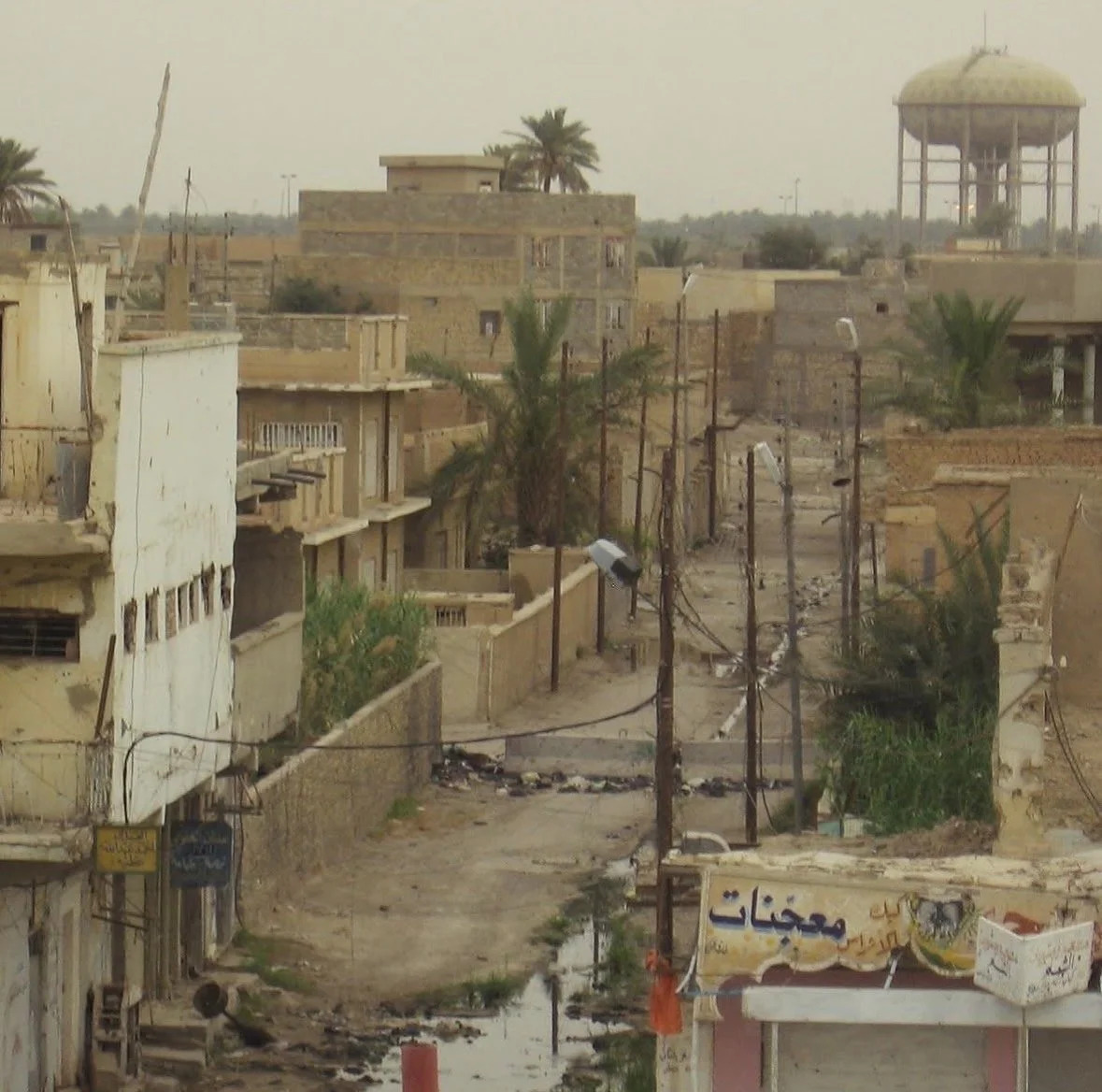
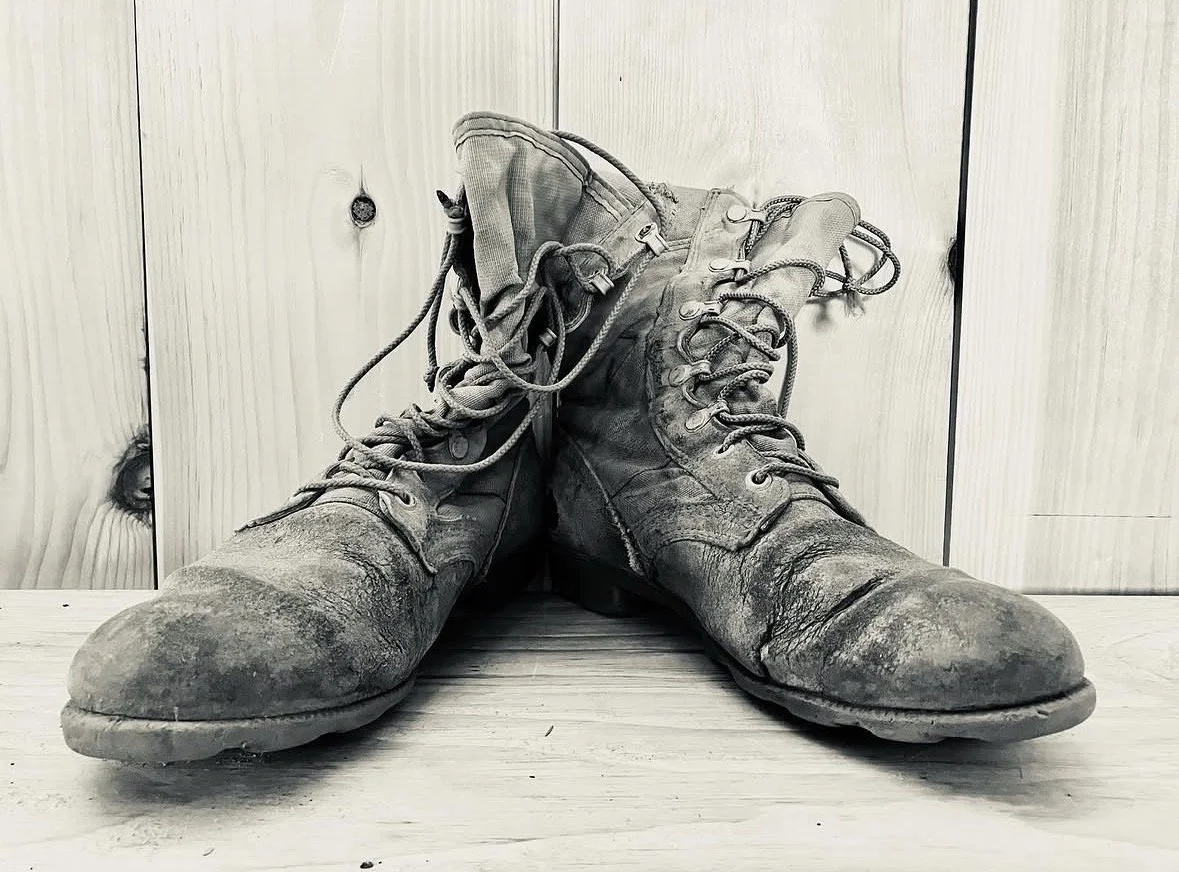
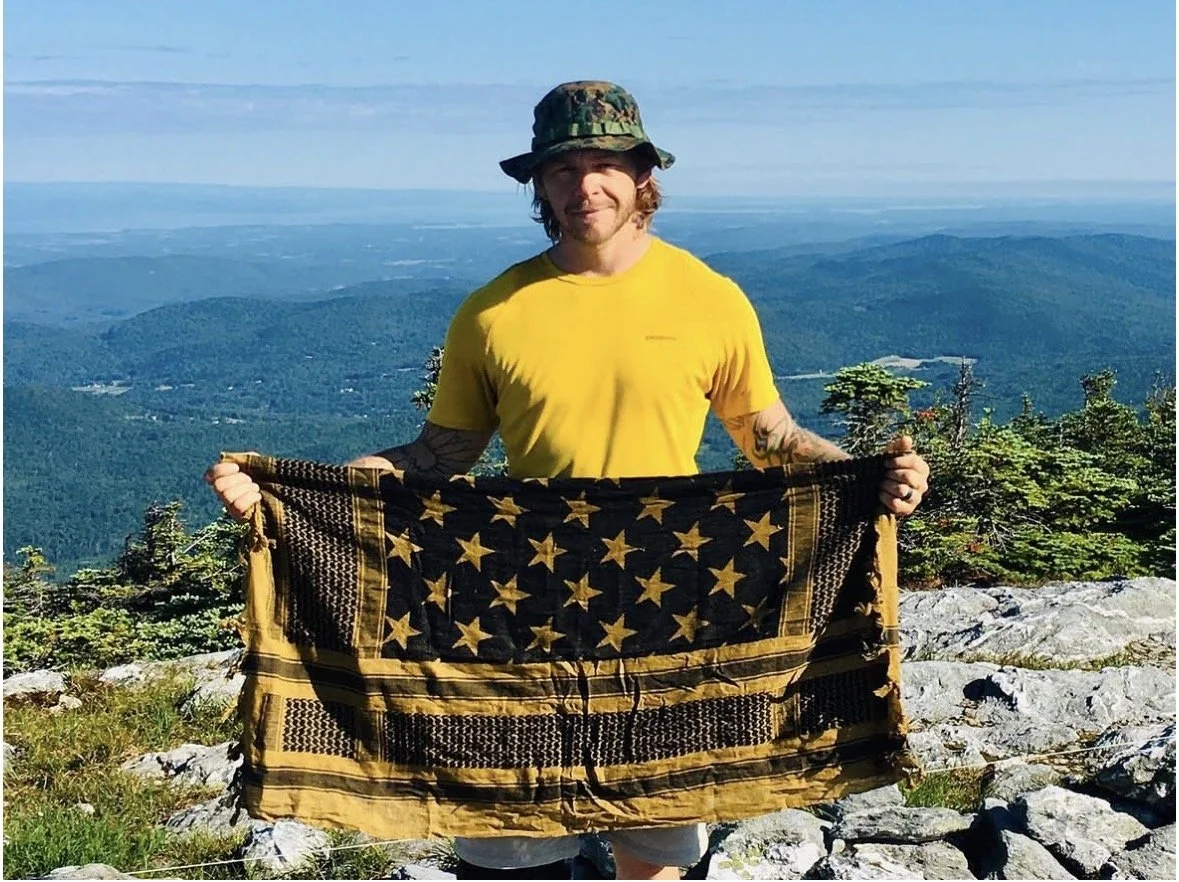
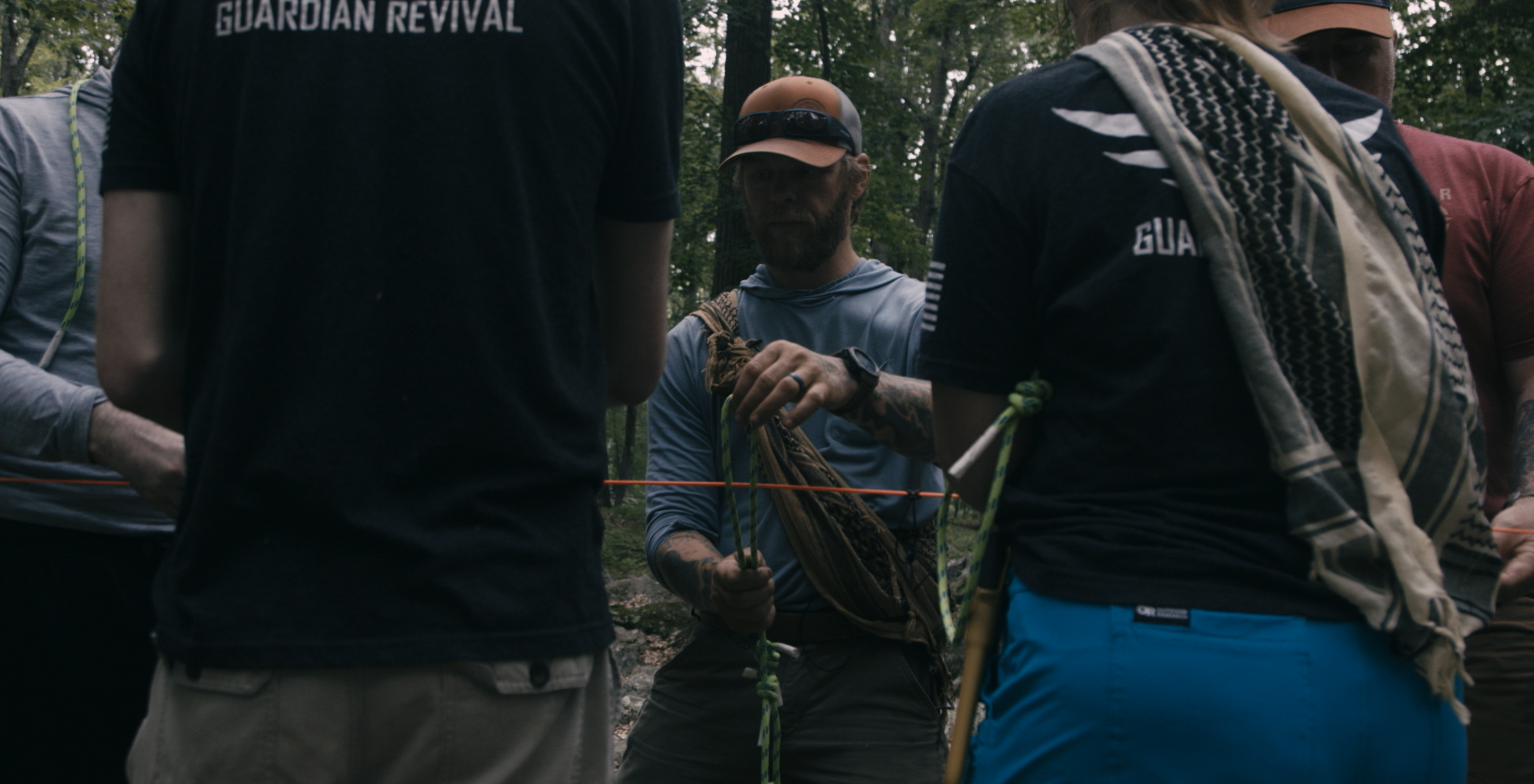

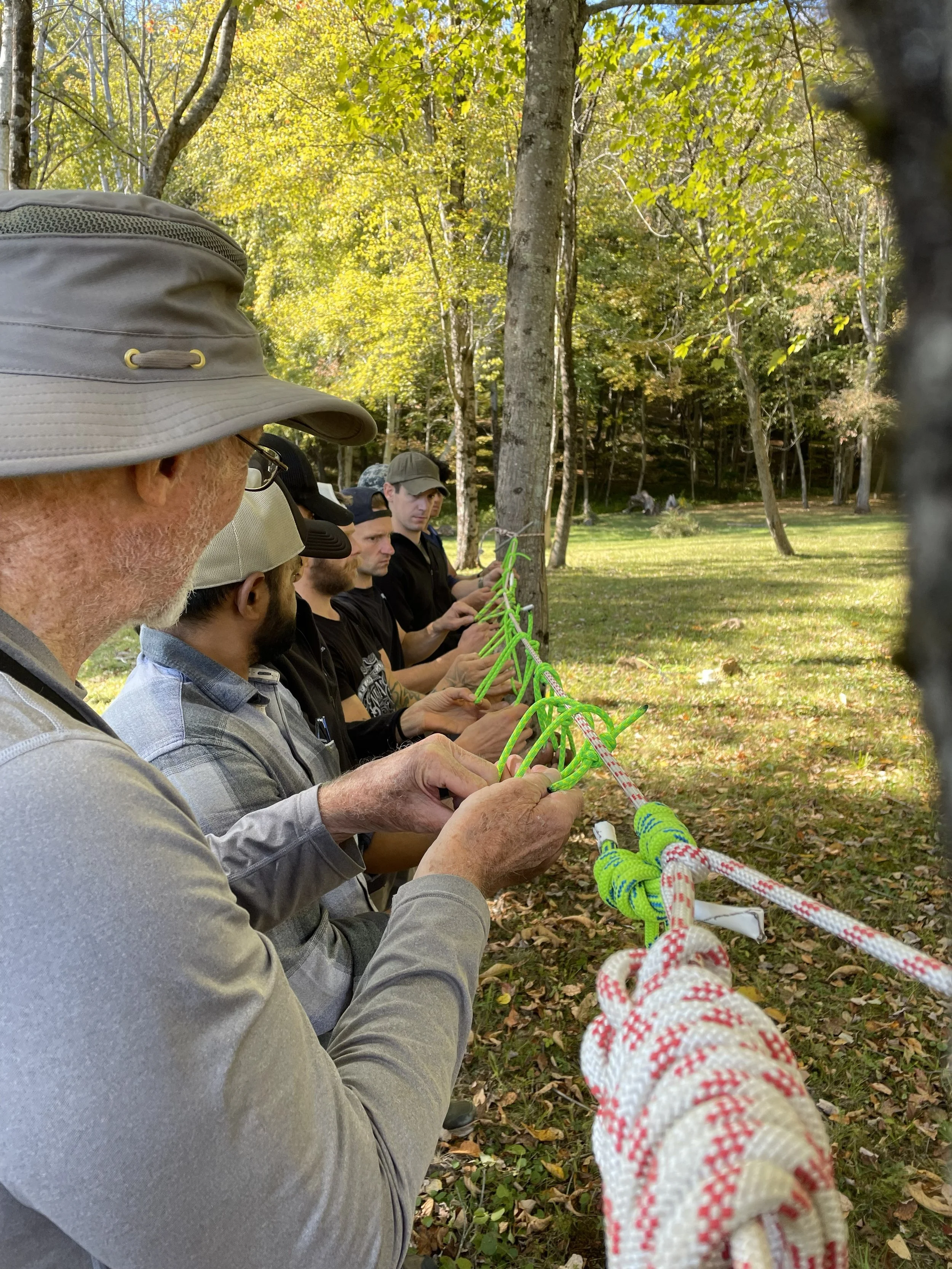


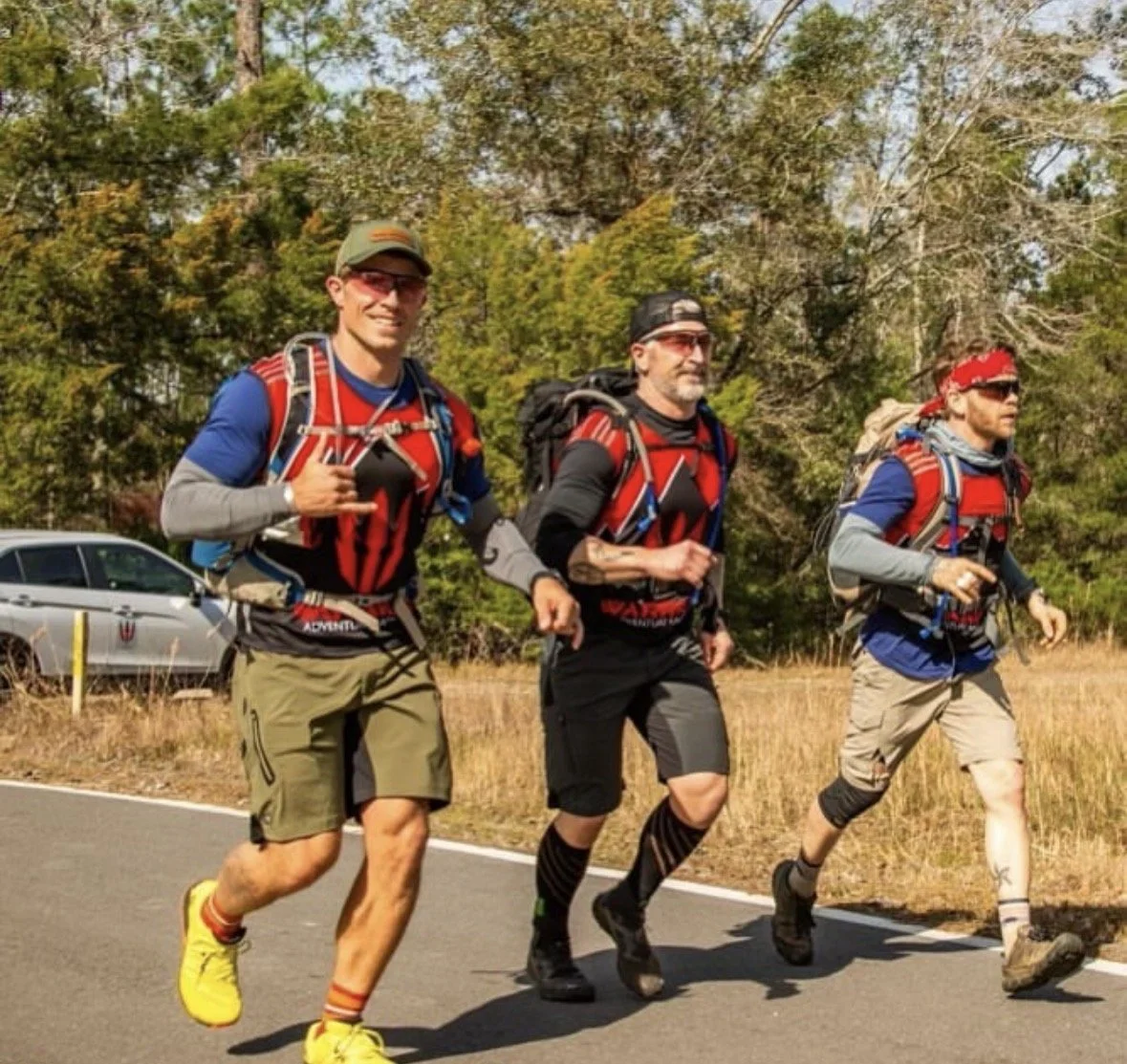
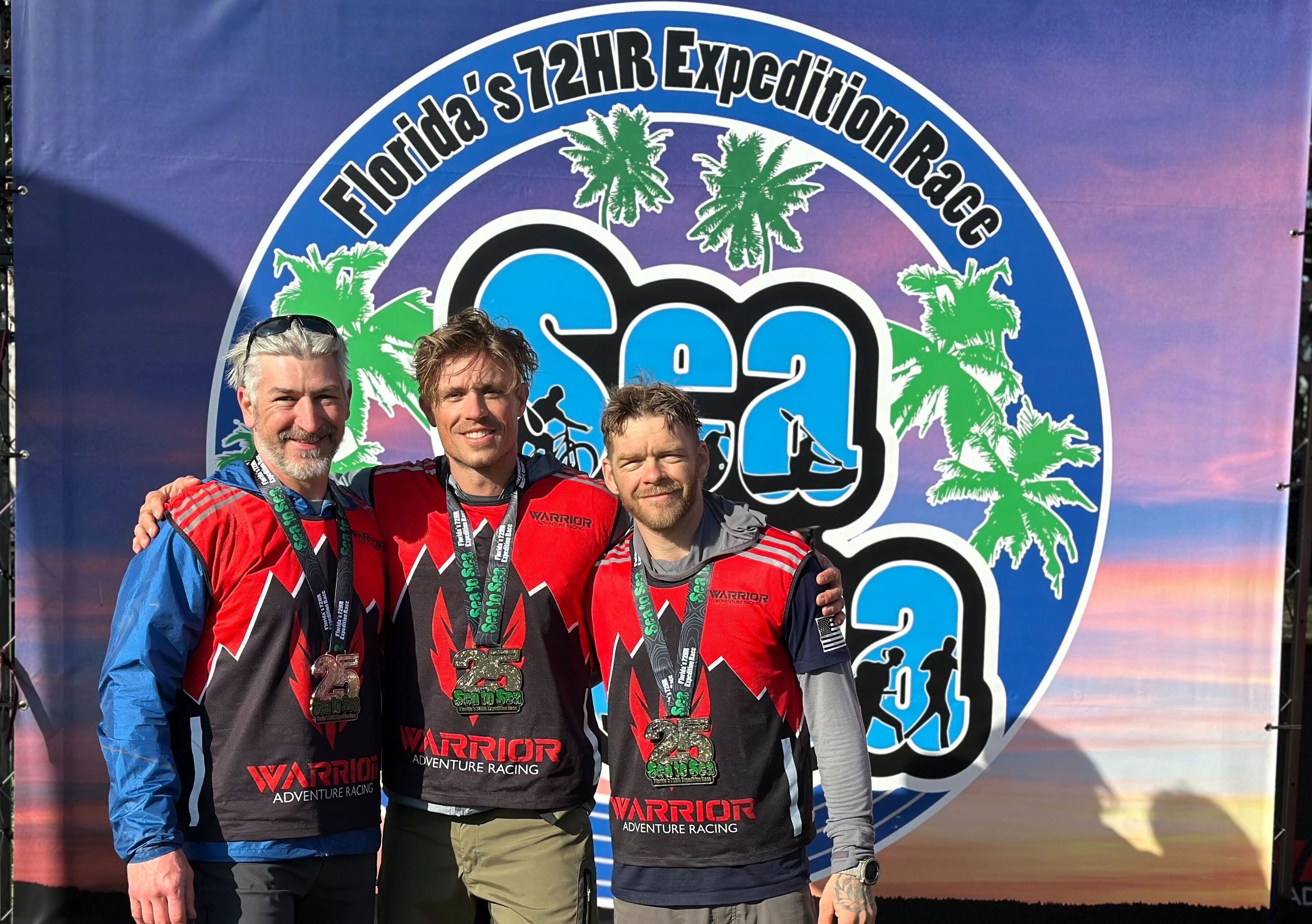
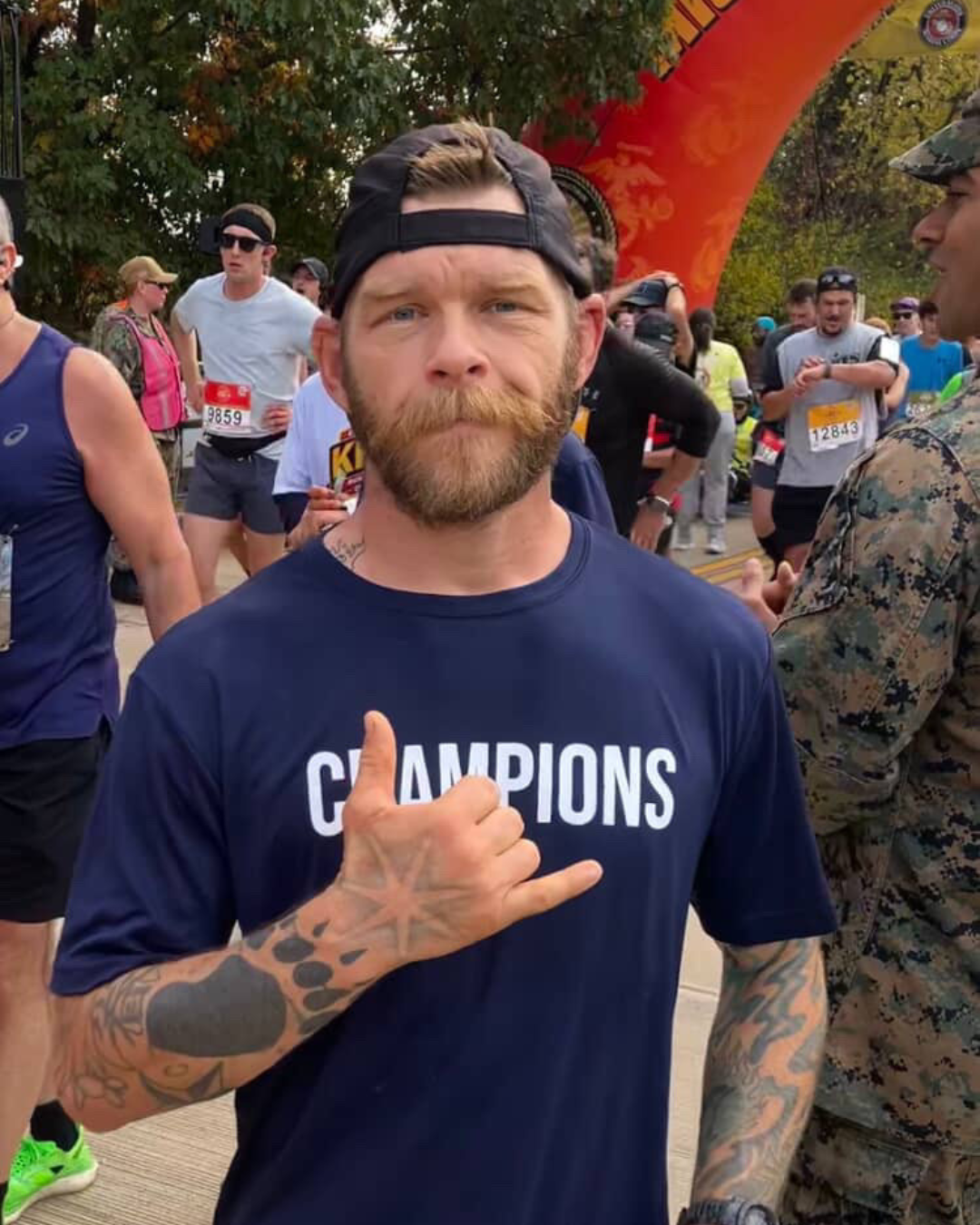
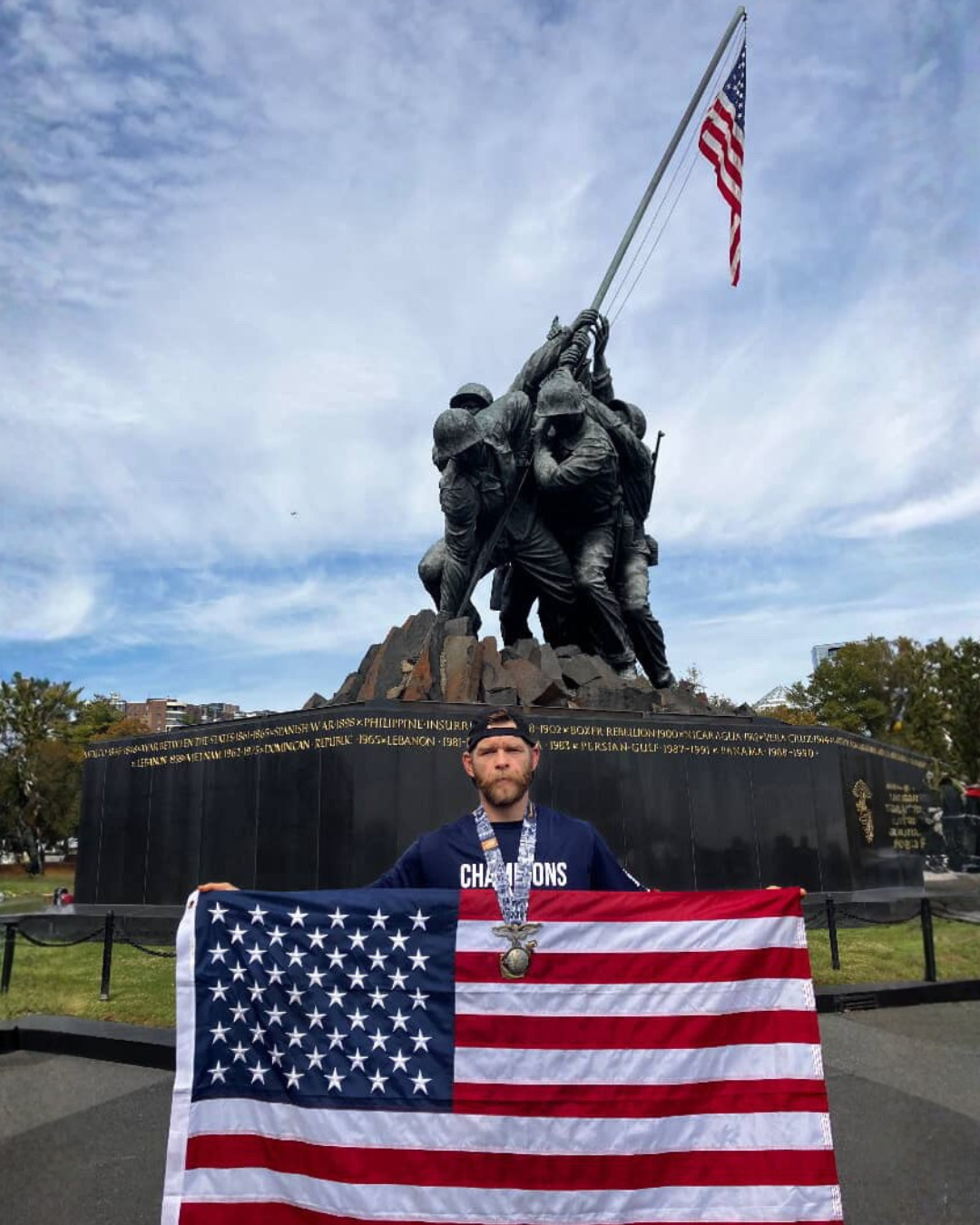
Photos provided by Jon, plus a few taken during Fieldcraft survival skills workshops led by Jon for our Another Summit program.
Jon’s Story of Service
“I joined the delayed entry program between my junior and senior year of high school, right after 9/11. After I graduated in 2003, I went to boot camp for the Marine Corps a month and a half later, and went right into infantry training. I got to my unit in February of 2004, and two weeks later, we deployed to Haiti for 4 months. Once returned, we did a seven month work up to Iraq and went over to Fallujah, replacing our sister unit who had just gotten done pushing through the city for Operation Phantom Fury. In August of 2005, we returned home, did another seven month workup, and redeployed to Ramadi in March of 2006 until October.
I had three deployments back to back to back, and on the last on the last one, I ended up taking a small piece of shrapnel in my neck and sustained a pretty substantial TBI. 14 hours later, on the way back to the government center after being cleared to return to duty, our truck got hit by an IED and I had another brief loss of consciousness. This was the nature of the area of operation that we were in. The tempo itself was incredibly rigorous and the place we were at was incredibly violent.
When I got back, there was definitely a lot of difficulty with the reintegration process. I had just turned 21 on my last deployment, before the male brain is fully developed, and had sustained two pretty heavy brain injuries in addition to the compounding signs and symptoms of post-traumatic stress. And I really struggled with that. I made the decision to speak with somebody because it was a little bit more accepted in 2006/2007 that you go talk to the wizard. [Editor’s note: “go talk to the wizard” is military slang for seeing a mental health professional.]
One of my buddies got me looking at things a little bit differently and introduced me to a really effective week-long program where you learned about meditation, yoga, and fitness. I found it had a very huge impact, and I started taking extra time to go to the beach and just walk and learn to meditate. I was able to find these moments of grace when in the natural environment, and that really helped me get through the rest of my time on base and in the Marine Corps. When I finally got out, I came up here to Vermont, and I've been up here since 2007.”
One Name Every Day

Jon joined the One Mile Challenge for the first time in 2022. As he walked, he found himself thinking about friends he'd lost to suicide. Over time, that reflection became a practice: dedicating each mile to someone who is no longer here.
(What is the One Mile Challenge? An annual virtual event & fundraiser for Guardian Revival — walk 1 mile a day for 30 days in September, Suicide Prevention Awareness Month.)
Every day in September, Jon writes a name in the top of the square on his calendar, and, later, the distance he covered beneath it. Some days are for close friends that he still misses. Others are for members of his unit that he didn’t know well, and others for people he never met but whose lives still matter and deserve to be recognized.
Some days, the dedication is planned. For others, someone is simply on his mind.
"If that person is on my mind that morning when I wake up, it's just, 'Okay, today's for them.'"
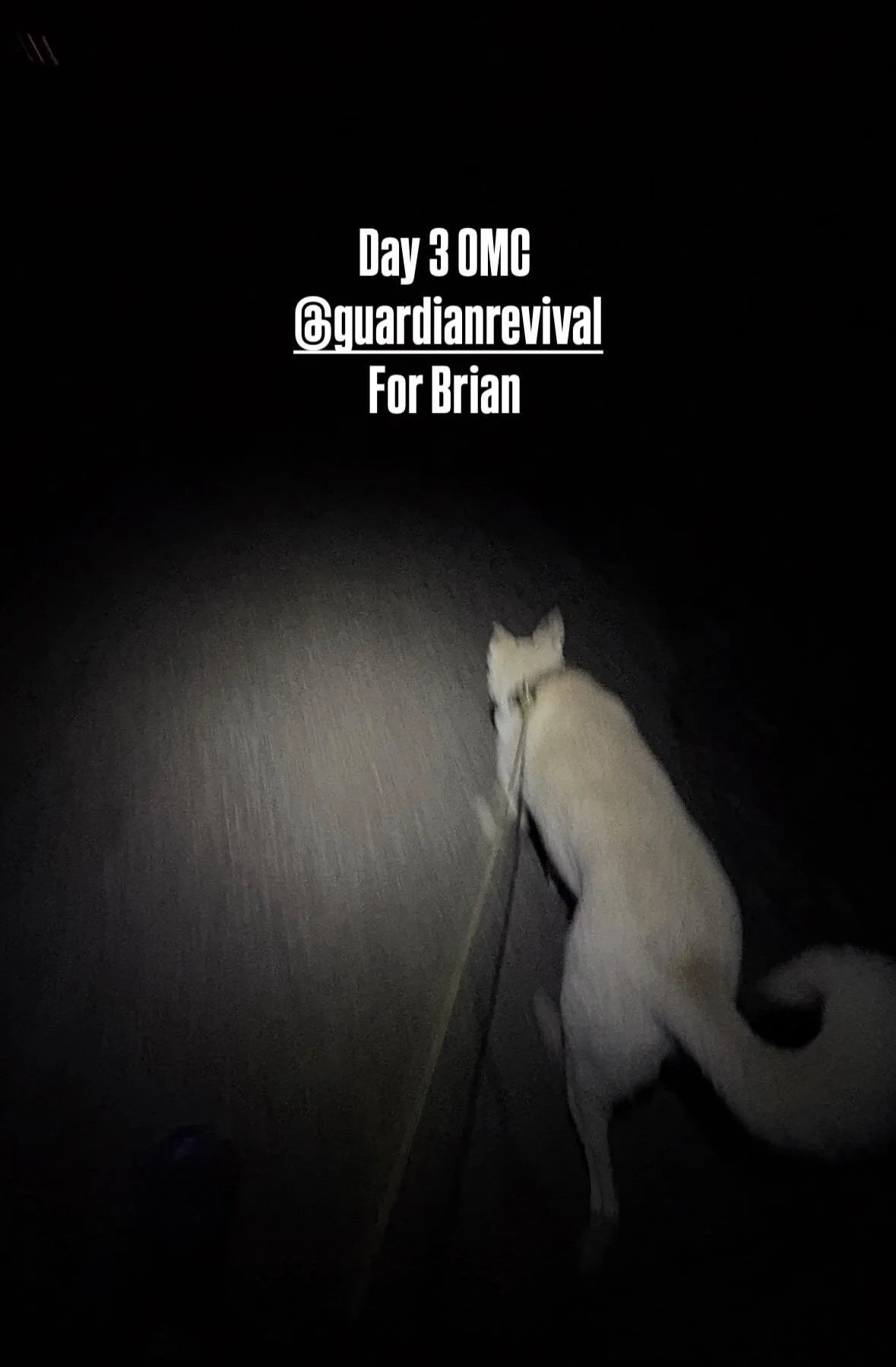
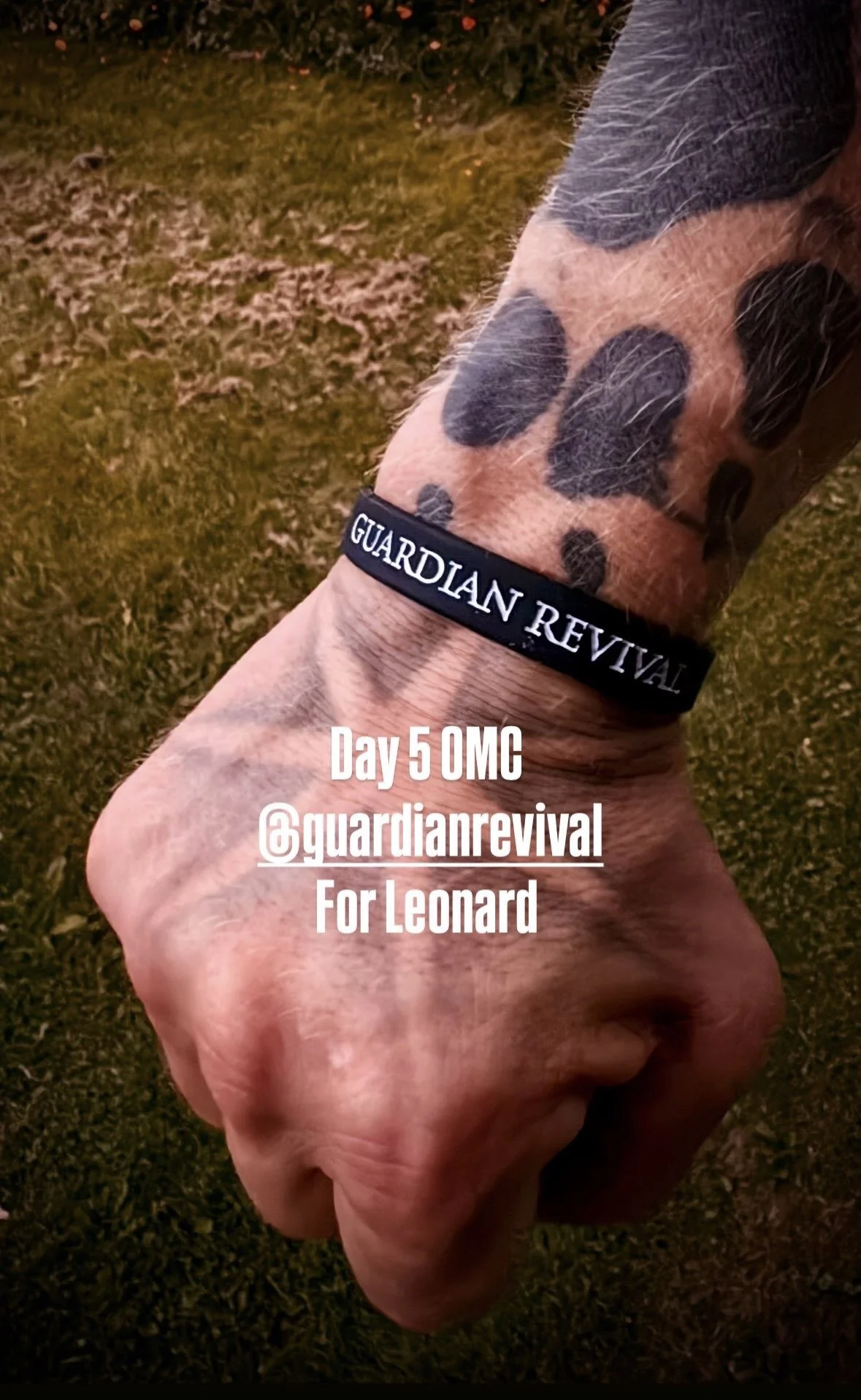
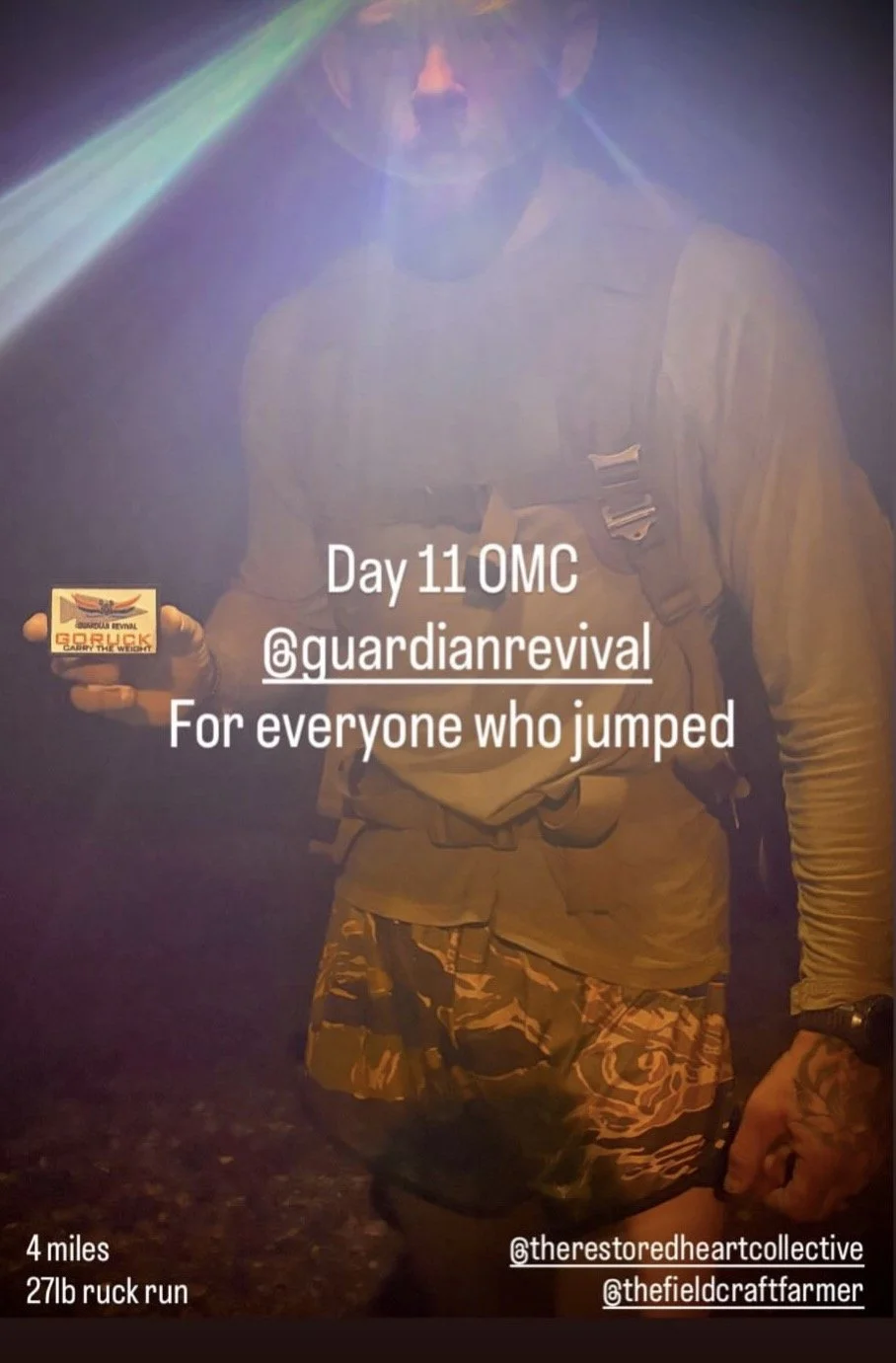
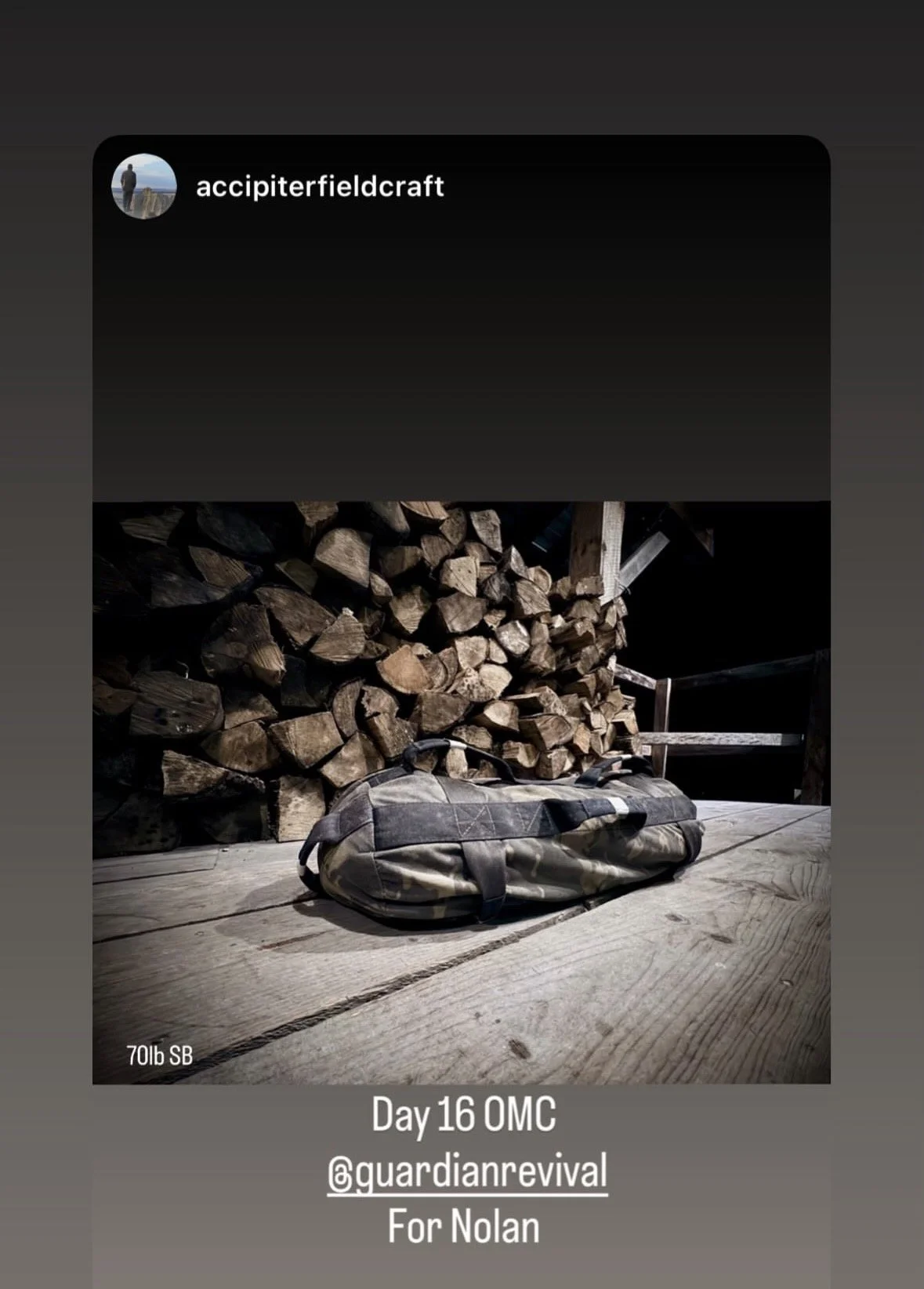
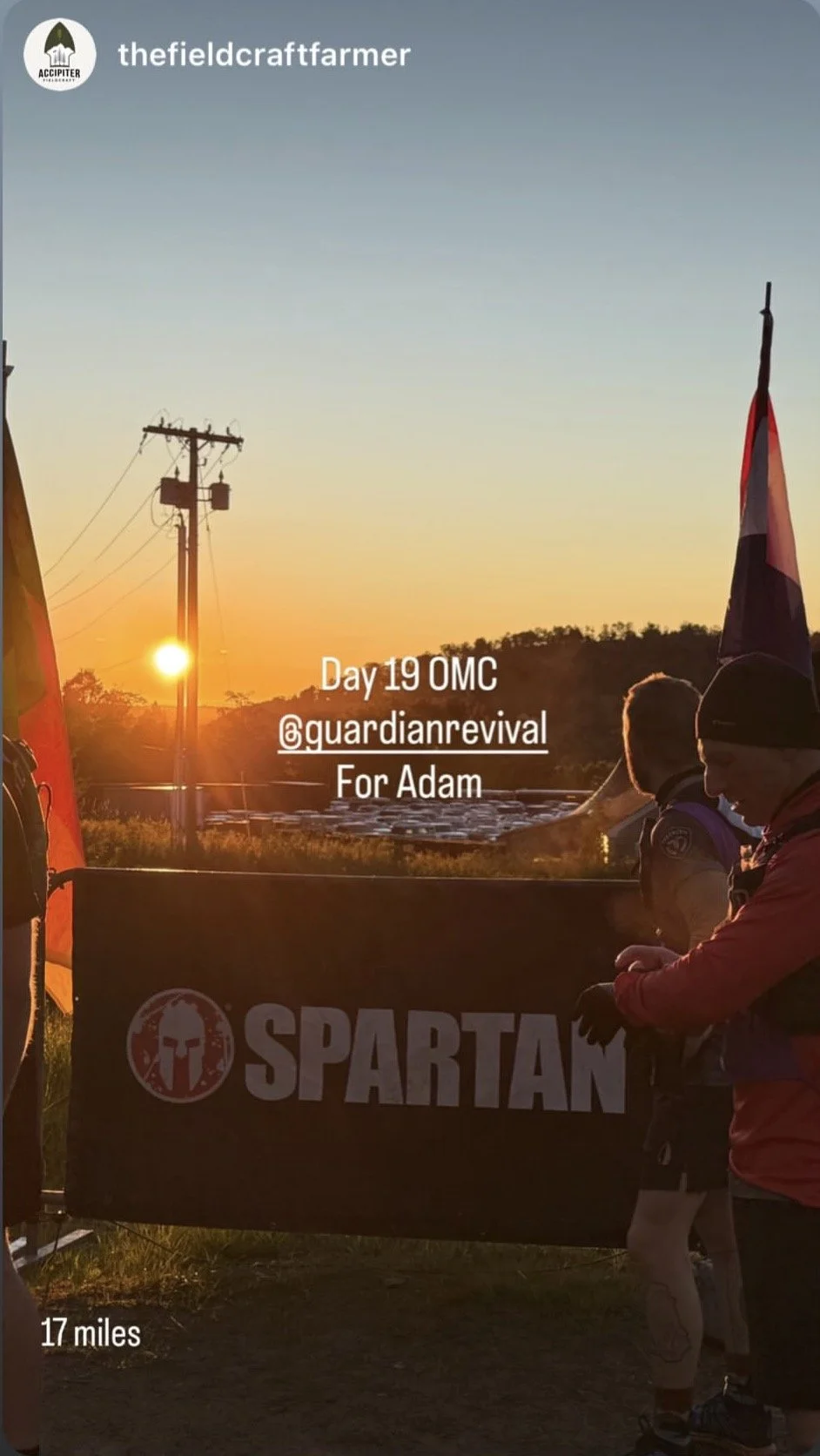
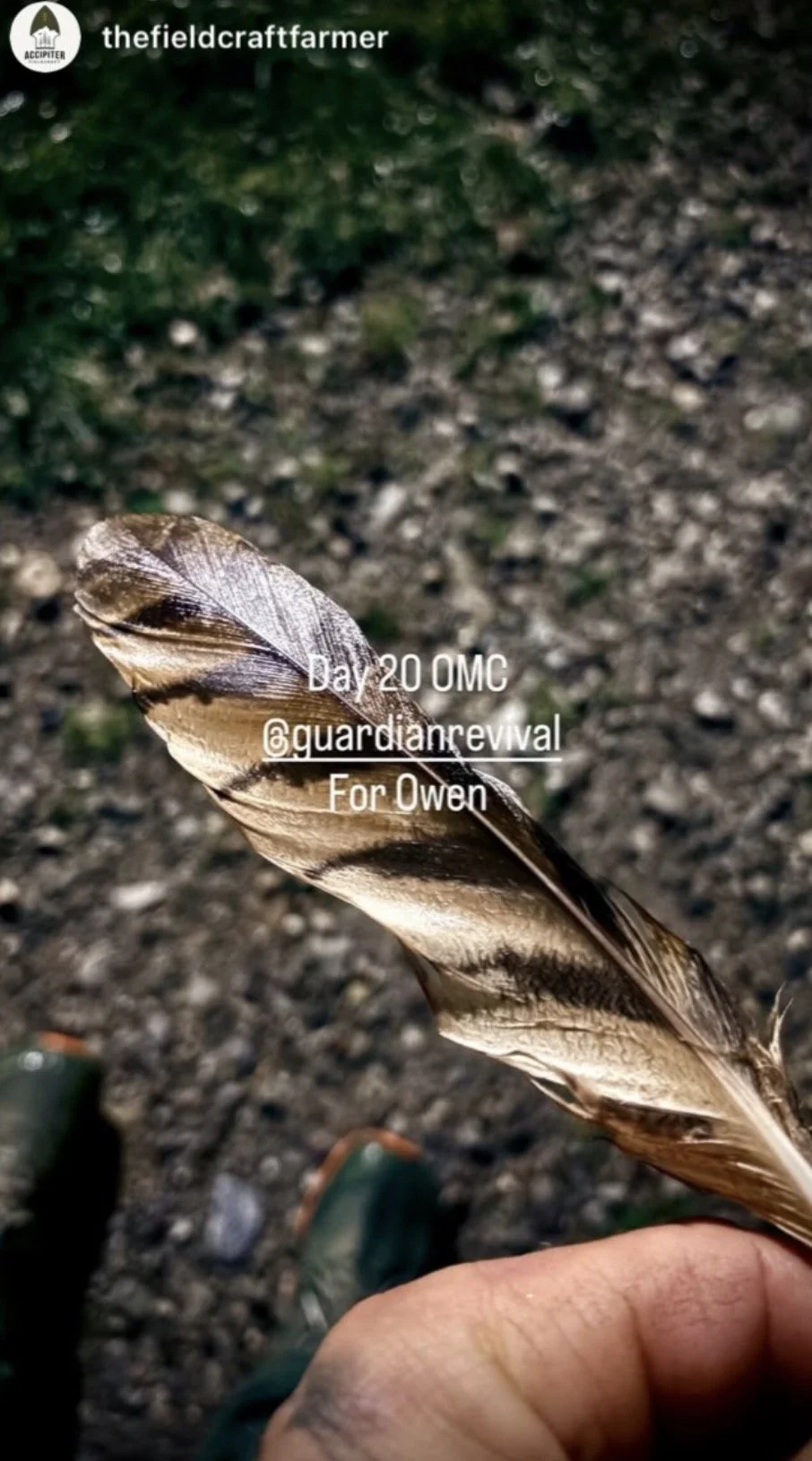
For Jon, these losses are rarely isolated incidents. More than 25 people from his former unit alone have died by suicide since 2005 — a number that reflects a reality many in the veteran and first responder community know all too well.
"You ask most any vet — or first responder — it's not a matter of if you get a phone call. It's when you get a phone call."
That reality is why Jon keeps walking, and why he shares his name-by-name practice on his Instagram story each day.
"I hope that people understand that suicide for the veteran and first responder community is an epidemic issue that needs to be addressed."
Jon's miles are an act of remembrance. But they're also a reminder to look after the people walking beside us, right now. Every mile highlights the alarming scale of suicide in these communities as well as the impact it has on those who are left to carry on.
“As [hard] as this month is and the challenge is in itself, if it can save a life, then then it's worth it.”
Yoga, meditation, time outdoors, and endurance events have become part of Jon's own path forward — practices that give him space to reflect and reconnect.
“One of my best friends, one of the things he says that I think about all the time is “nothing changes if nothing changes.” And I think about that frequently. But the reality is that it's okay to grieve. There's nothing wrong with that…
And if you truly wish to live a healthy life, take the time to honor your buddy, and then forge a path forward that would make them proud.”
September is Suicide Prevention Awareness Month — and that’s why it’s when we take on the One Mile Challenge. So this month, take a moment to remember someone who is no longer here. Make space for an honest conversation. Reach out when someone comes to mind.
And consider supporting Guardian Revival’s work with military, veterans, first responders, and their families.
Because no one should carry grief, pain, or crisis alone.
If you or someone you know is in emotional distress or thinking about suicide, call or text 988 in the United States, or chat at 988lifeline.org to reach the 988 Suicide & Crisis Lifeline. Support is free, confidential, and available 24/7. Veterans, service members, National Guard and Reserve members, and their loved ones can contact the Veterans Crisis Line by calling 988 and pressing 1, texting 838255, or chatting online.