
What Love Looks Like

Love Is More than Romance and Grand Gestures
Media and representations of love, especially around Valentine’s Day, tend to focus on big expressions: flowers, dinner reservations, dramatic declarations.
But most love — the kind that actually sustains people — is quieter than that.
It looks like showing up.
It looks like listening.
It looks like staying when things are uncomfortable.
For many, emotional connection was never explicitly taught. So here are some tips for what it really means to be there for the people in our lives.
Celebrate the people who support you
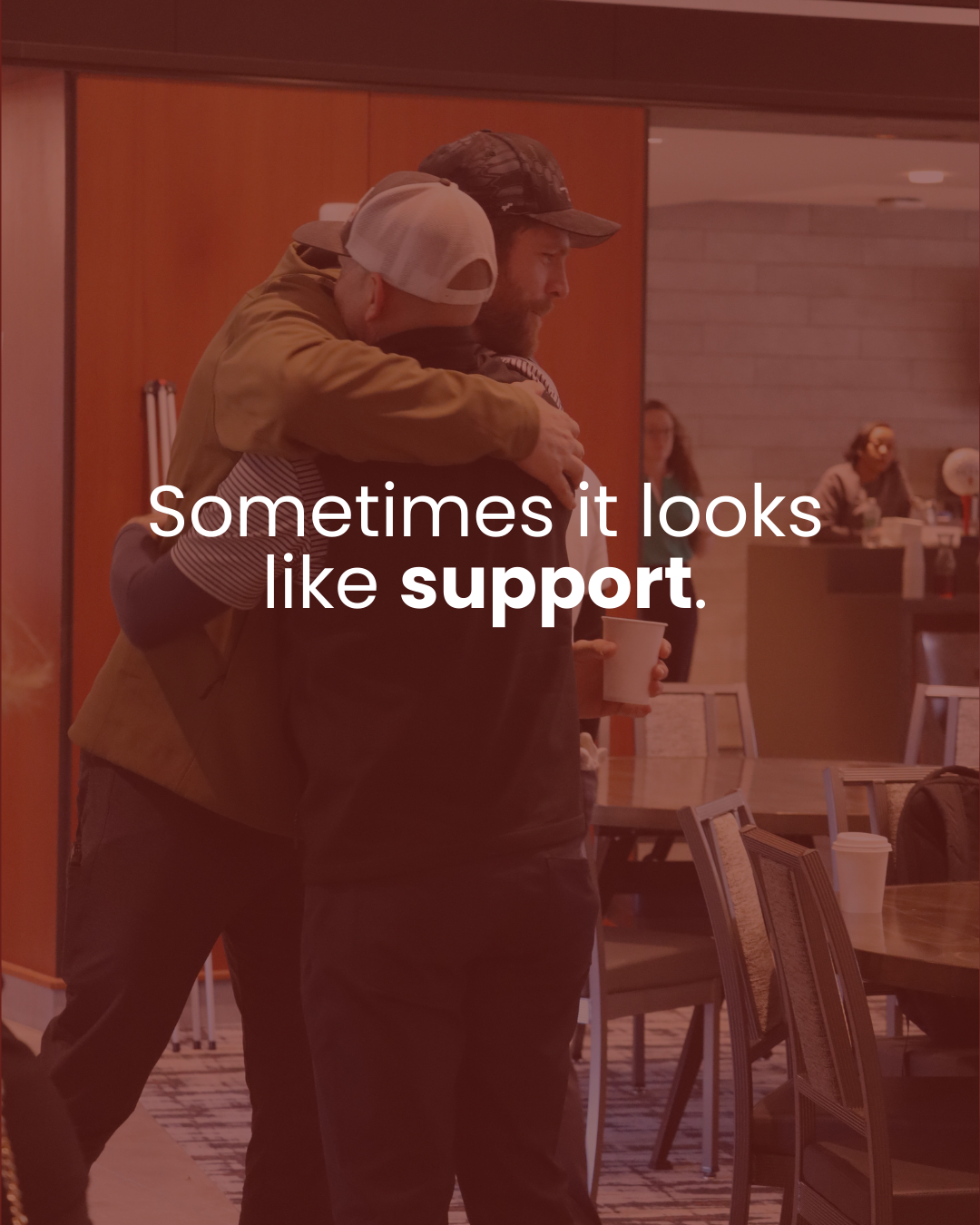
While we often rely on romantic partners for support (and ideally provide it as well!), support looks like so much more and involves more people in our network and community:
A friend who checks in
A partner who listens without judgment
A buddy who texts after a hard week
Someone who sits next to you without needing to fill the silence
Research consistently shows that social connection is one of the strongest predictors of mental and physical health.
The U.S. Surgeon General’s 2023 advisory on loneliness reports that chronic social isolation carries health risks comparable to smoking 15 cigarettes per day. So support isn’t soft. It’s protective.
Think about who you can reach out to and support — and to say thank you when someone has been supportive of you.
Connect with the broader world
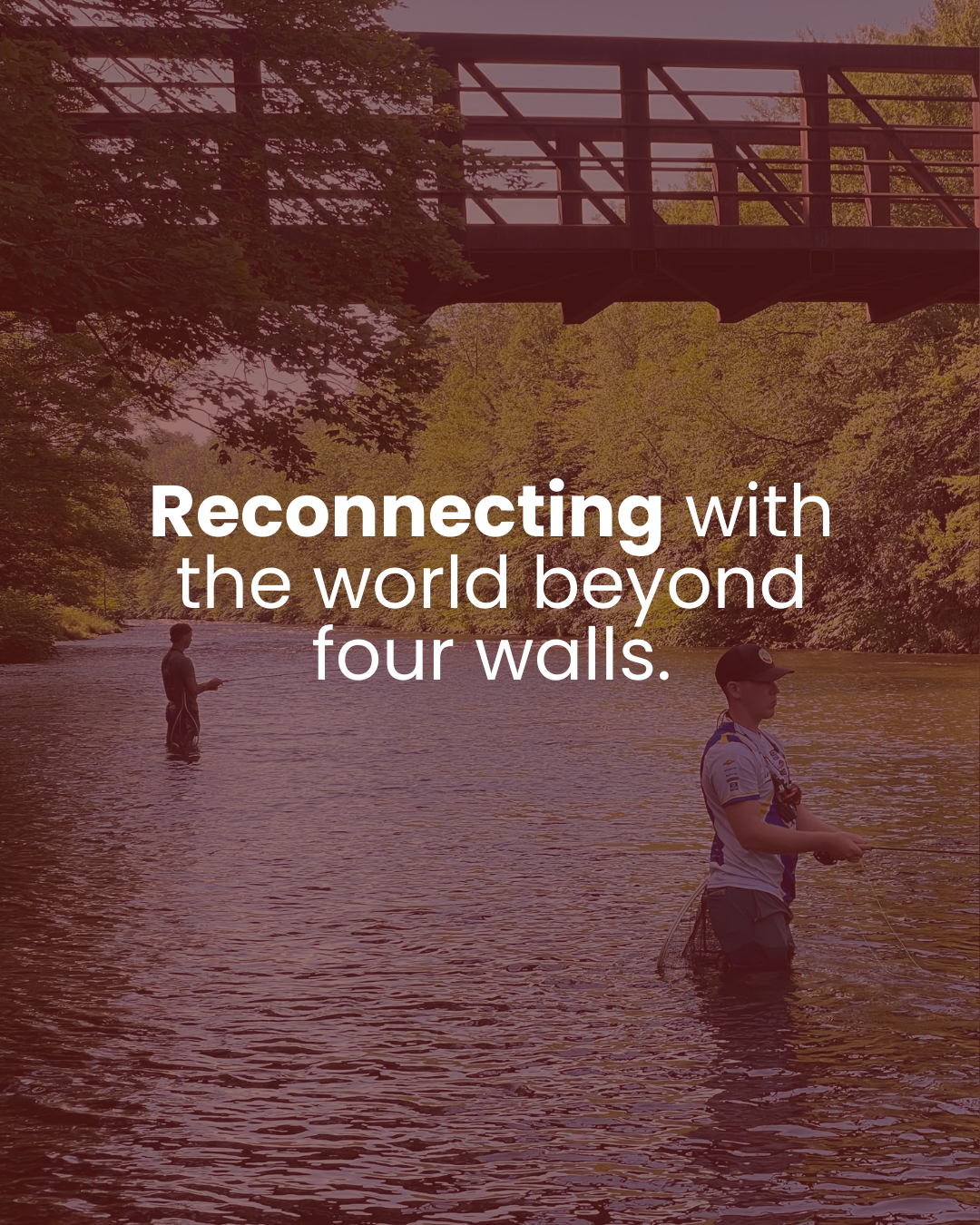
Isolation tends to shrink your world. Stress, depression, and burnout all push people toward withdrawal.
Reconnection doesn’t require a grand plan. Just create or look for ways to be in proximity to other people, whether they’re family, friends, loose acquaintances, or even new people. A few examples:
Go walking, hiking, or fishing with a friend
Join a jam session or workout
Show up to a group event — maybe like one of our Gatherings, where you can simply be in the presence of peers who get it
Being around others regulates the nervous system. Humans co-regulate, feeling calm when we’re not alone.
Not sure where to start? Join one of our upcoming events:


Make space to create
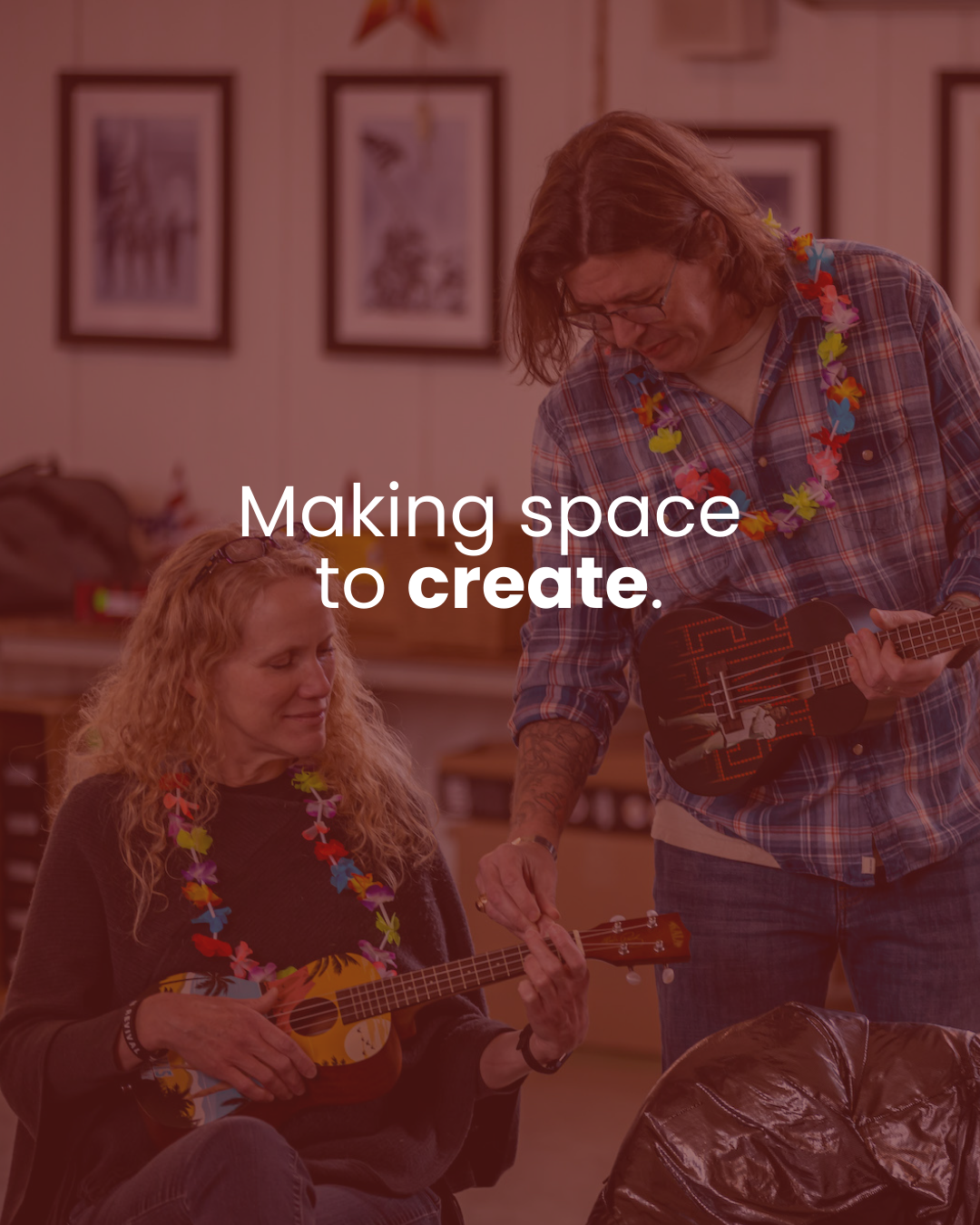
Creativity is another form of connection.
Music. Art. Building something. Fixing something. Working with your hands.
Psychological research shows that creative engagement reduces stress hormones and improves mood — even when you’re not “good” at it. The act itself is what matters.
Creating side-by-side can feel more natural than sitting face-to-face talking about feelings. That’s fine.
Emotional processing doesn’t have to look like a therapy session. It can look like tuning a guitar together, trying fly-tying, or any other kind of creative activity.
Listen without trying to fix
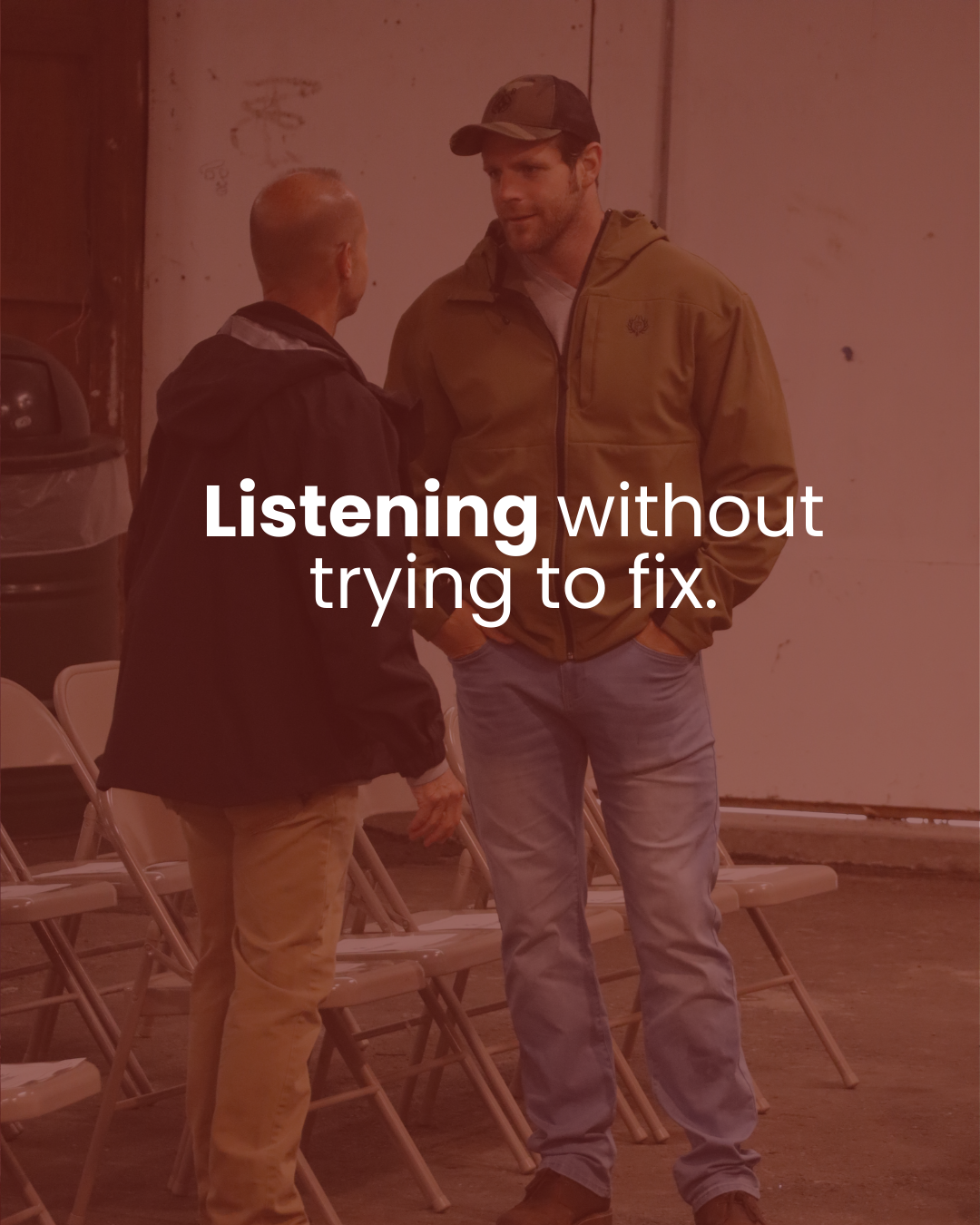
This one can feel uncomfortable if you’re not used to it.
Many of us are socialized to solve problems. If someone shares something hard, the instinct is to offer advice. But often what someone needs isn’t a solution — it’s acknowledgment.
Listening without fixing communicates:
• “You’re not weak for feeling this.”
• “I’m not going anywhere.”
• “You don’t have to handle this alone.”
Patient listening builds trust, and it provides others with the opportunity to work through their experiences & feelings. That’s often all we need to make space to process and pursue our own solutions.
Provide comfort in different ways

Not everyone processes emotion verbally, and we can show support in different ways — communicating that we care and are there for someone through different gestures.
We do ourselves and others a disservice to think that physical interactions are only romantic. We connect through comforting contact:
A handshake
A pat on the shoulder
A hug
Sitting side by side
Physical connection — when welcome — reduces stress and increases oxytocin, the hormone associated with bonding and safety. Our bodies need and respond to positive, safe physical interactions.
Simply show up
We often underestimate the power of small actions.
A ride to an appointment. Help moving furniture. Showing up at a group meeting. Texting, “You good?”
Love often looks less like romance and more like reliability.
A simple challenge this week: Identify one person who has supported you — in any way, and tell them.
If you’re not sure who that might be, consider how you might show up for someone else. Support is reciprocal. And it’s built in small, steady moments.