For many new runners, signing up for a 5K race can feel exciting and a little intimidating at the same time, but if you’ve signed up for a race and haven’t strapped on your running shoes within a month of race day, your 5K can feel more like an impossibility than a challenge.
If you think you can’t run your race because you’ve left your training til the last minute, think again — we’ve got you covered with this quick how-to guide that’s designed to get you across the finish line, whether you walk, run-walk, or run your 3.1-mile race from start to finish.
Why a 5K is a Great First Goal
5K Training Step-by-Step Guide
Keep it Consistent
Start with Walk-Run Intervals
Focus on Effort, Not Speed
Add One Long Session Each Week
Take Recovery Seriously
Practice Your Race-Day Strategy
Run Your Own Race and Be Proud of The Work You’ve Done
Guardian Revival 5k in Carmel, NY
Who We Are
Why a 5K Race is a Great First Goal, Regardless of When You Start Training
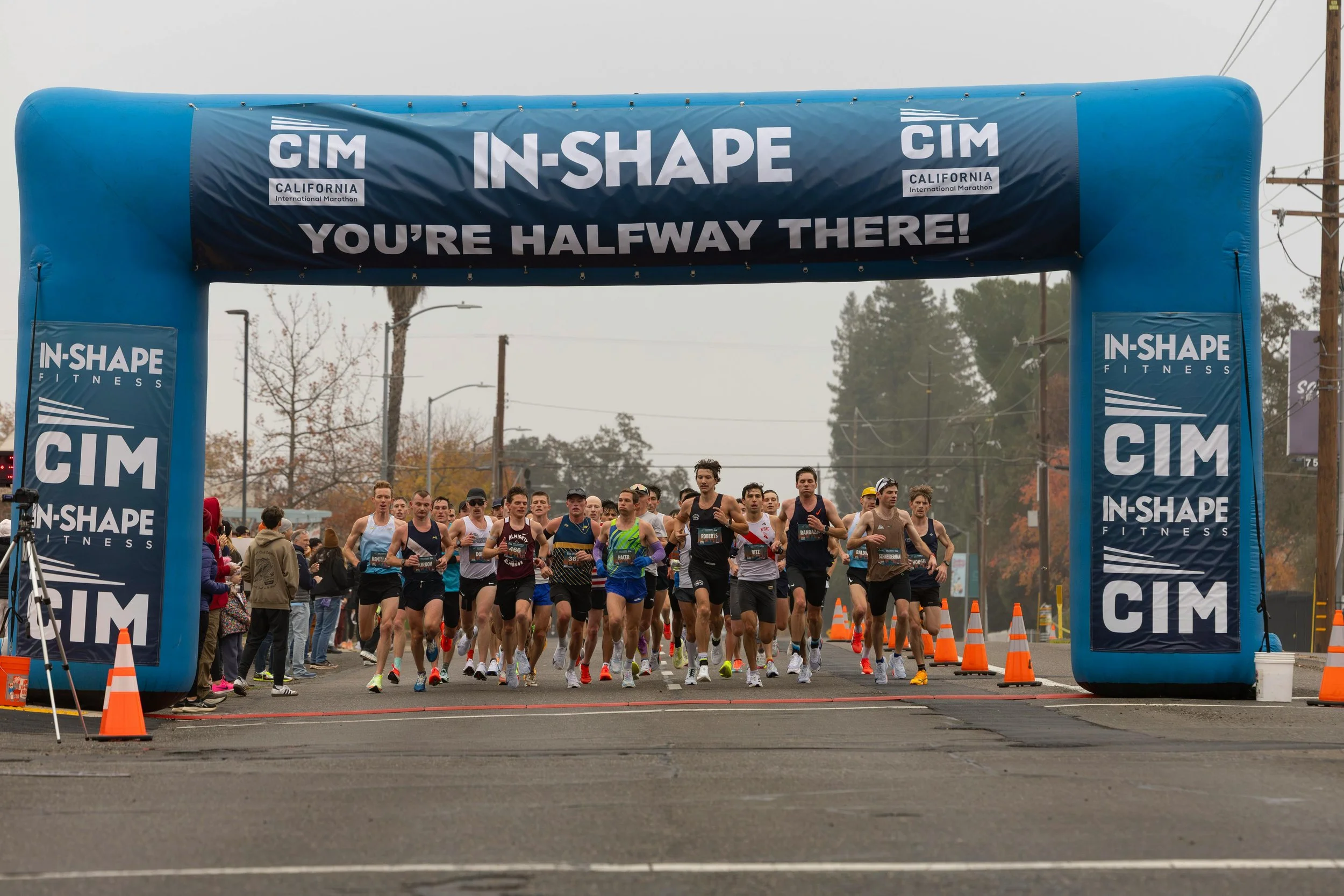
A 5K race hits the sweet spot for most people — it’s long enough to feel like a real challenge and still a very doable endeavor.
A 5K can be walked in under an hour in most cases, with plenty of runners coming in under that time, depending on training schedules and fitness levels. In short, just about anyone can make it through a 5K race with a relatively small amount of prep time.
5K Training Step 1: Keep it Consistent

Even though you’re getting started with training a bit closer to race day, the most important thing you can do is keep your training consistent.
Aim for 3 days of movement per week between now and race day to keep your legs logging miles, whether you walk, run, or do both.
Pick specific days for your workouts and treat them like appointments that you can’t break.
A Tuesday/Thursday/Sunday split is a great option because it gives your body enough time to rest in between sessions, and most races take place on Sundays.
Think in terms of time, not distance: 20 to 30 minutes per session is enough to build a solid base that will carry you through your race.
If all you can manage is a brisk walk, that still counts.
The goal is to teach your body: “We’re moving for a few miles regularly now,” not “We crush one heroic workout once and then collapse.”
5K Training Step 2: Start with Walk-Run Intervals
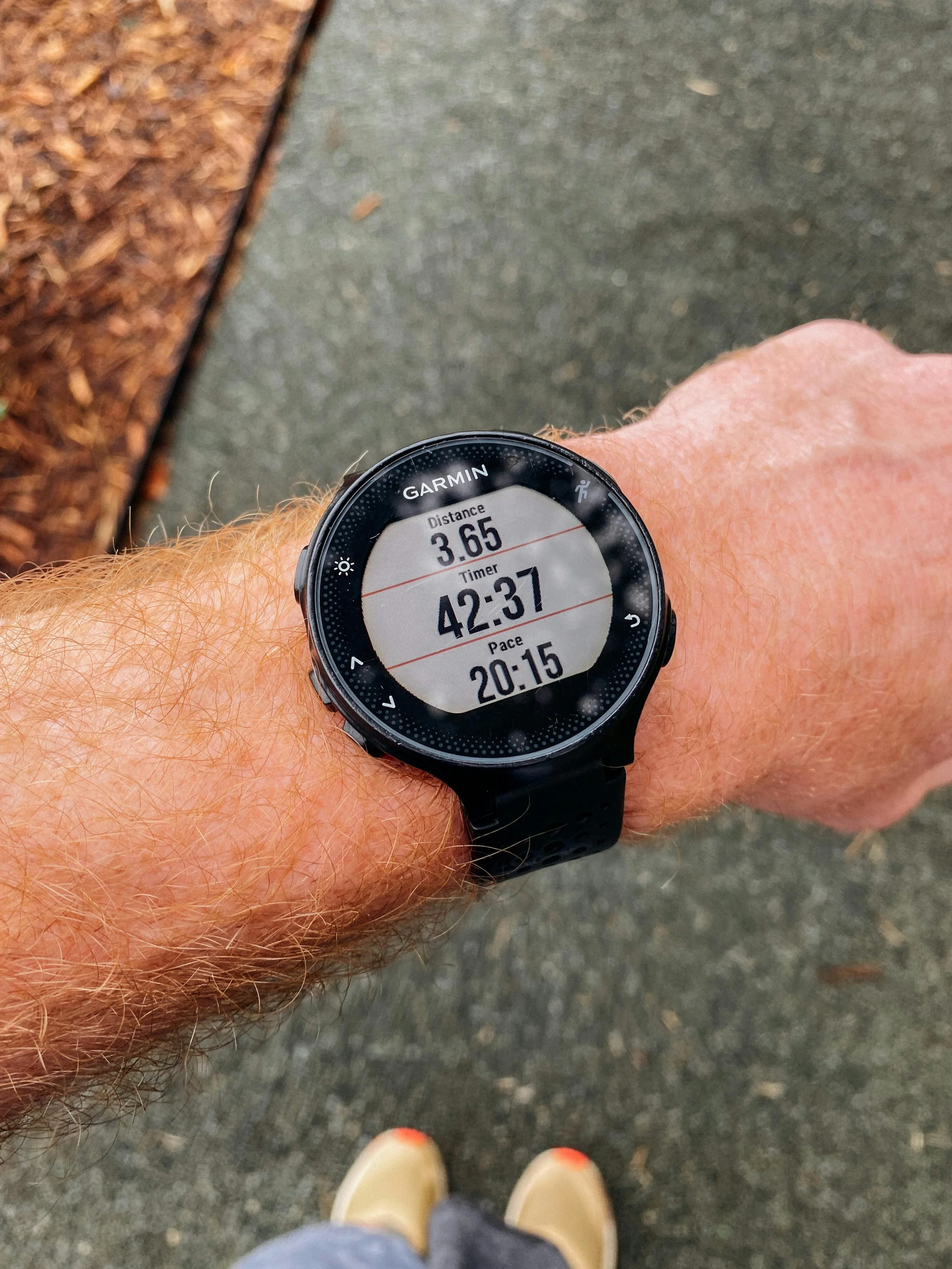
You don’t need to run the whole distance before the race hits to train “properly.”
Walk-run intervals are one of the safest, most effective ways to build endurance quickly without overdoing it.
Give this simple pattern a try:
Warm up with 5 minutes of easy walking.
Alternate 1–2 minutes of easy running with 2–3 minutes of walking.
Repeat the intervals until you reach 20–25 minutes total.
Cool down with 5 minutes of walking.
If running still feels intimidating or like you might be pushing your body too hard, start with fast walking intervals instead and build from there. As your confidence grows, you can slowly increase the length of your run segments and shorten the walks.
5K Training Step 3: Focus on Effort, Not Speed
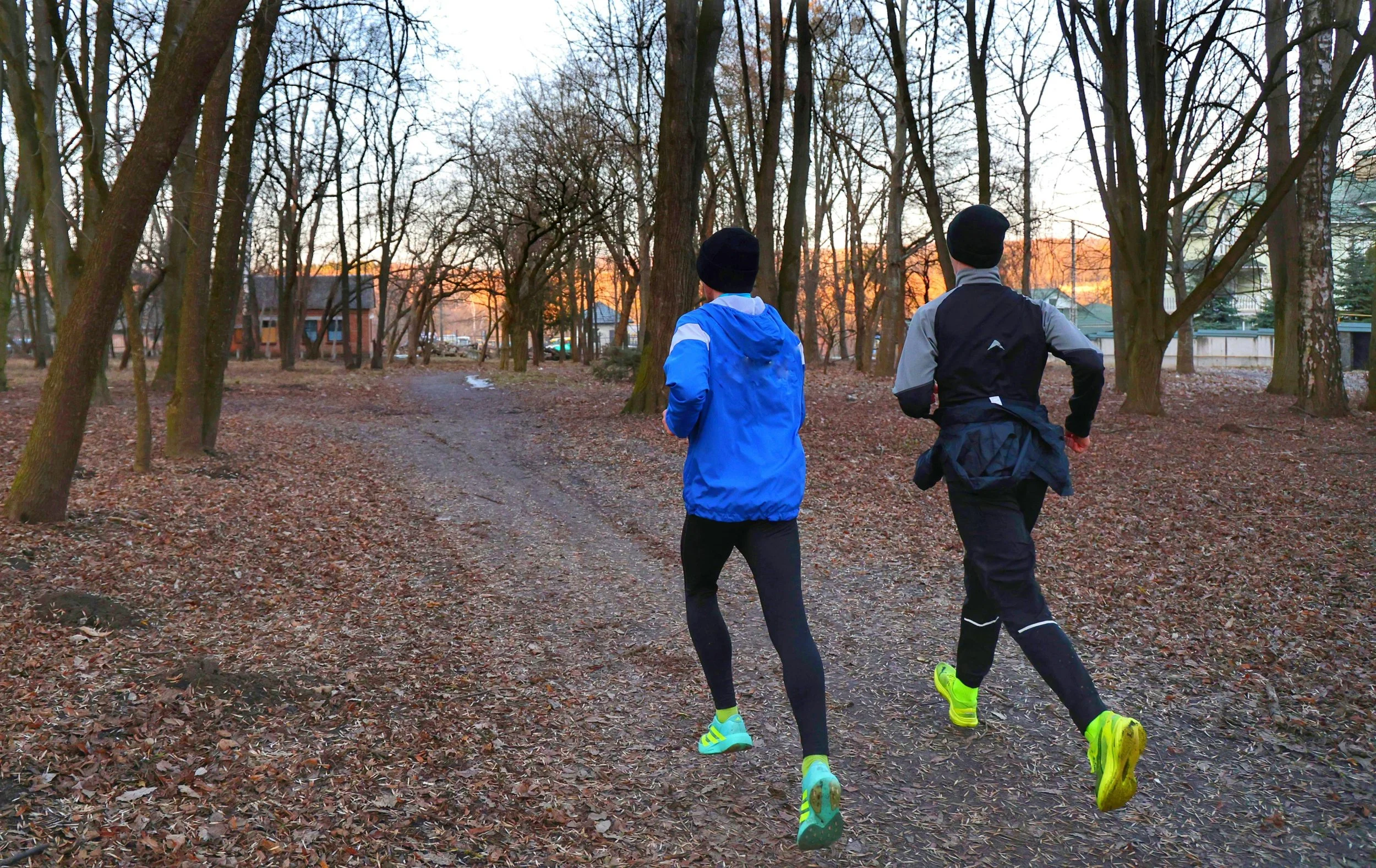
When you’re limited by the amount of training time you have, it can be tempting to go out hard in an effort to make up for lost time. This usually doesn’t go well.
A common and effective approach to cardio training is to identify your “rate of perceived exertion” (RPE), a scale ranging from 0 (rest) to 10 (maximum effort).
Here’s what to do instead:
Keep your runs at an easy, conversational pace — this means you should be able to speak in short sentences while logging your miles.
If you can’t catch your breath, slow down or add more walking time to your workout so your breathing is manageable.
Remind yourself that finishing strong is more important than finishing fast.
A comfortable, sustainable effort now means you're much more likely to enjoy race day and want to sign up again.
5K Training Step 4: Add One Long Session Each Week

Even with just a few weeks to go, one slightly longer running session per week will help your mind and body get used to being on your feet for longer periods of time.
Once a week, extend your walk-run session to 30-40 minutes total.
Keep your pace easy and relaxed — this method is proven to be one of the factors that increases your endurance more than just about anything else.
If you’re feeling good, you can gently stretch out your run intervals (for example, 3 minutes running and 2 minutes walking)
The point of this approach isn’t speed, it's time on your feet and learning that you can keep going even when it feels a little challenging.
5K Training Step 5: Take Recovery Seriously
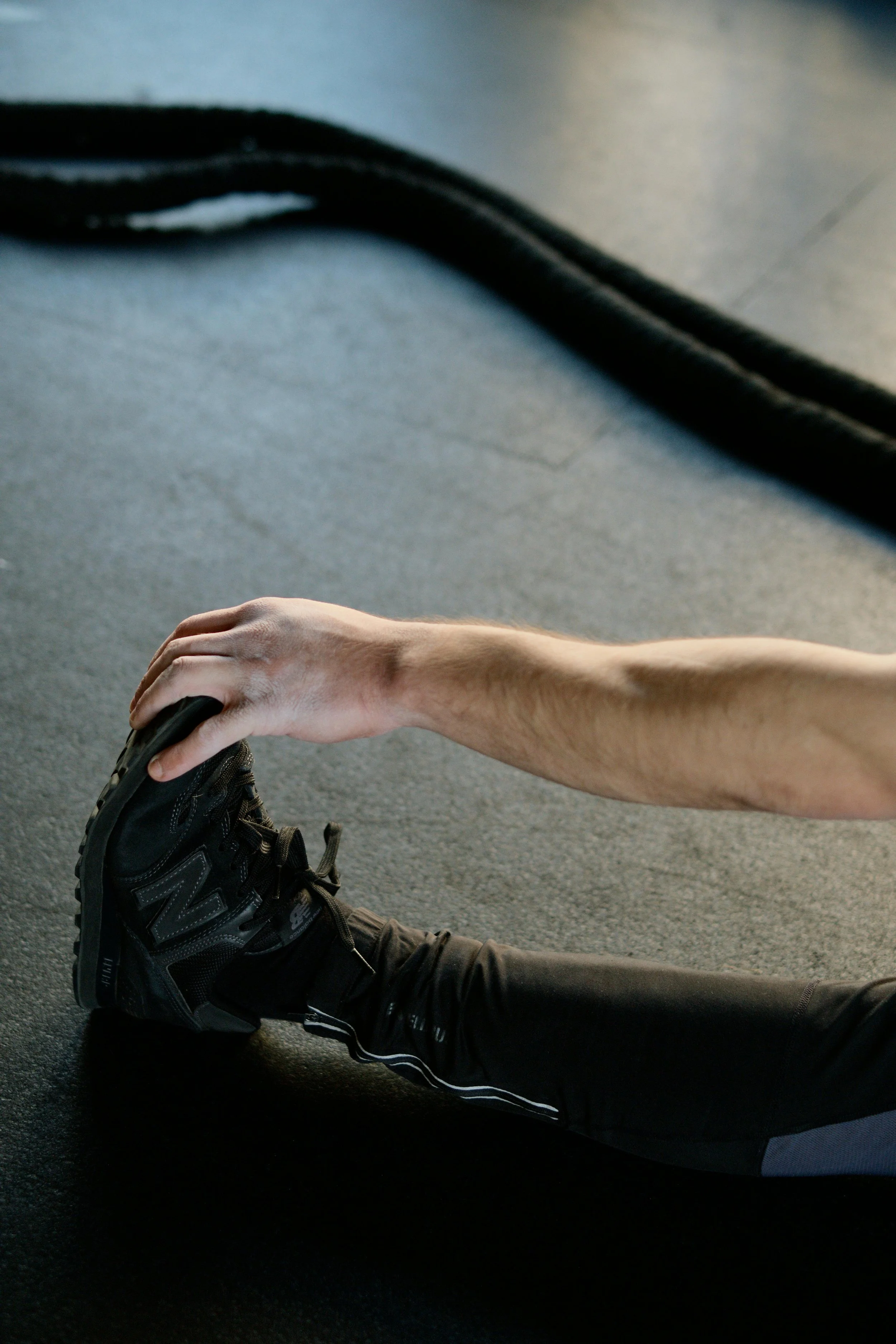
Last-minute training can often overlap with busy schedules, long shifts, and whatever else life throws into the mix, but that doesn’t mean your recovery should take a back seat.
Recovery may matter even more the more than training.
Take care of your body by:
Hydrating throughout the day, not just before and after your workouts.
Eating enough to fuel your effort with a focus on protein and complex carbs to keep you going,
Getting quality sleep whenever possible.
Spending plenty of time doing gentle stretching to keep you limber and avoid injury.
Think of recovery time as you doing a favor for future you when you step onto the start line for your 5K.
5K Training Step 6: Practice Your Race-Day Strategy

A little planning now can go a long way to making your race day one to remember.
In the week leading up to the event, try to get a feel for how you’ll handle each element of prep and race day:
Try one or two sessions at the time of day the race will be held, so your body knows what to expect.
Wear the shoes, socks, and basic gear you plan to use on race day. Never wear new gear on the day of a race if you can avoid it.
Practice the walk-run intervals you think you’ll use during the race.
If you stick to your strategy, nothing will feel completely new when you hit the pavement on race day — you’ll just be doing what you’ve already practiced.
5K Training Step 7: Run Your Own Race and Be Proud of The Work You’ve Done
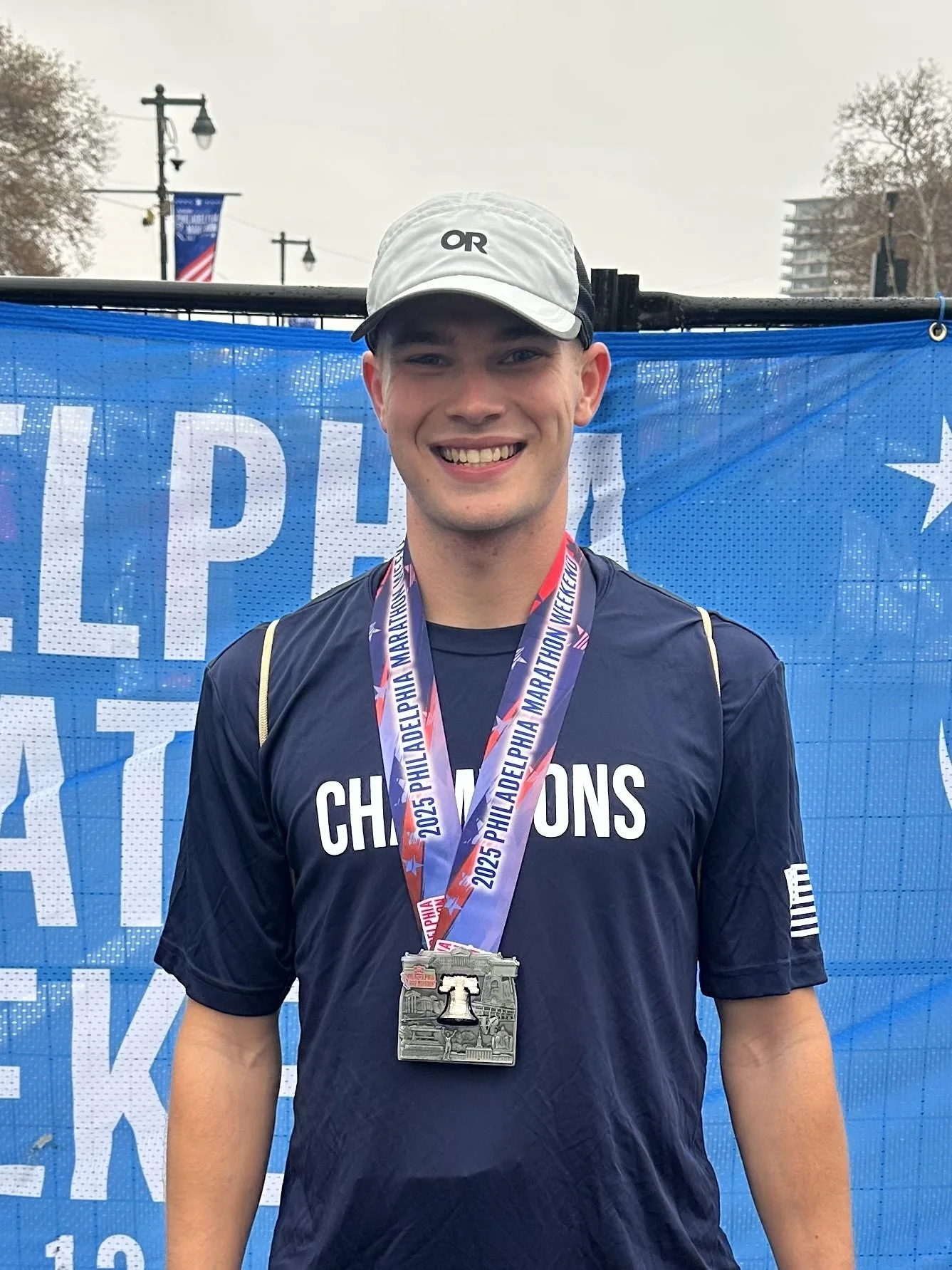
When race day arrives, just get out there and enjoy yourself. Take pride in the hard work you’ve done to get to the finish line.
It doesn’t matter if you move fast or slow, or if you walk or run, you’re out there doing something for yourself, and that’s more important than worrying about finishing times or comparing yourself to other runners.
Cross the finish line and celebrate all of your hard work!
Put Your Last-Minute Training to Work at the Guardian Revival 5k in Carmel, NY
If you’re looking for a place to put all this preparation and hard work together for a cause that matters, join us for the Guardian Revival 5K on Sunday, May 17, on the Putnam Trailway at Lake Gleneida (or join the virtual option from wherever you are).
When you line up for this race, you’re not just there to knock out 3.1 miles — you’re standing alongside veterans, military, first responders, and their families in support of those who put themselves in harm’s way to keep us out of it.
Whether you walk, run-walk, or run every step of the way, your support helps fuel Guardian Revival's mission to support our guardians with no-cost programs and community-driven initiatives.
Who We Are
Guardian Revival is a 501(c)(3) not-for-profit organization that improves the mental health & well-being of military, veterans, and first responders — our guardians — and their families, at no cost to them.
Dwyer of Putnam County | Events, information, and resources for Putnam County veterans
Another Summit | Outdoor adventures — walking, hiking, backpacking, paddling, and fly fishing
Boots & Paws | Providing dogs for the therapeutic benefits of animal companionship
Encore | Opportunities to learn, write, play, record, and share music
Homefront | Events, support & resources for guardian families
Peer Services | Individual & group peer support for guardians by guardians
RISE | Strength & resilience through fitness & wellness